Why Homeowners Are Upgrading Their Fencing
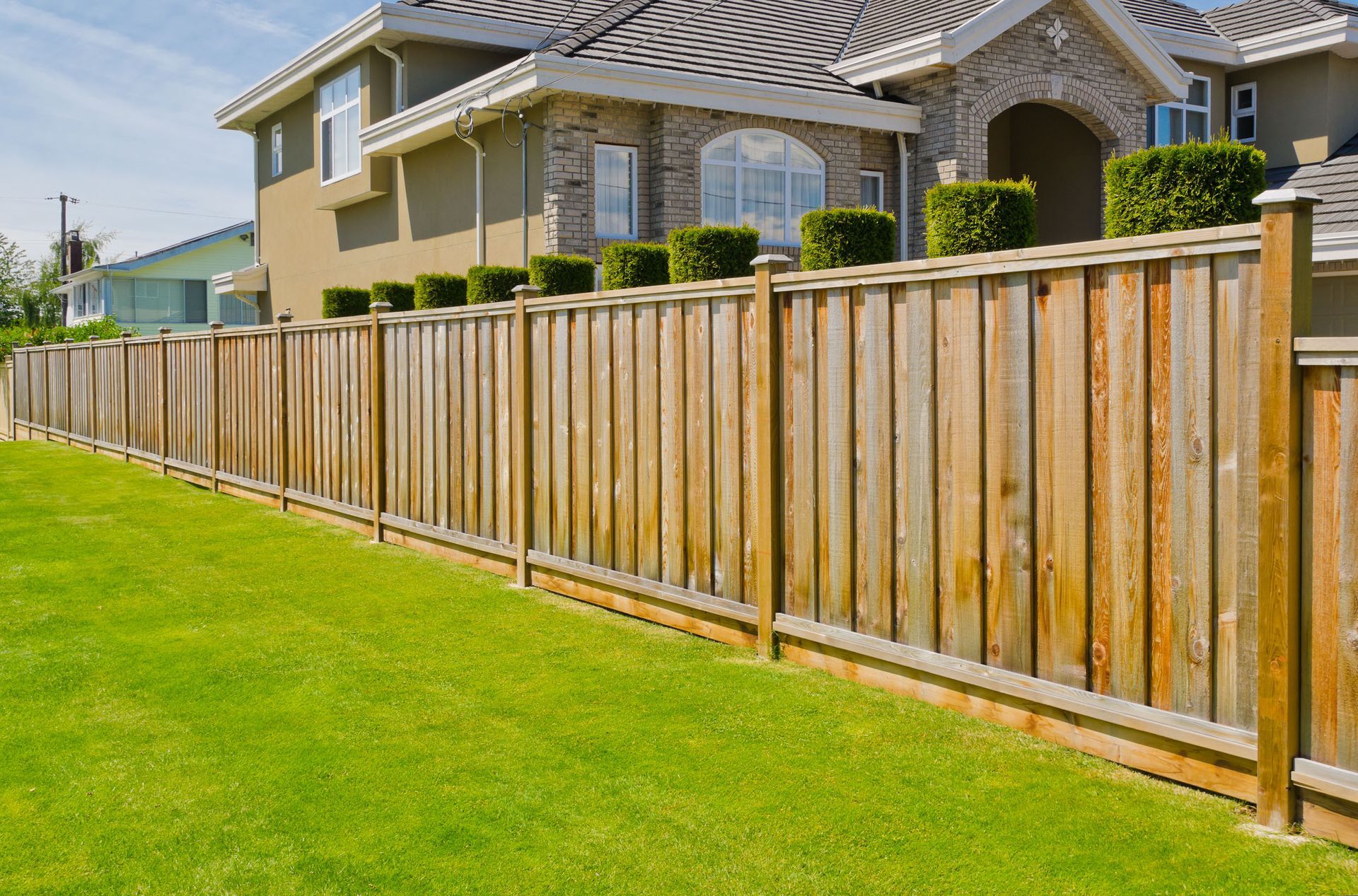
In recent years, there has been a noticeable trend in homeowners choosing to upgrade their fencing. As an experienced fence company, we'll explore the various reasons behind this decision, delving into both functional and aesthetic considerations that influence homeowners' choices. A variety of factors, including security enhancements, aesthetic appeal, environmental concerns, technological integration, maintenance needs, and personal lifestyle requirements, play a significant role in this growing trend. According to Gitnux, 26% of homeowners in the United States plan to spend on home improvements within the next year, with exterior projects, including fences, being a significant focus. This statistic highlights a broader trend of investing in property upgrades, suggesting that fencing is an integral aspect of modern home renovation.
Enhanced Security Measures
As incidents of residential burglaries rise, homeowners are increasingly concerned about home security, leading to a focus on upgrading fencing. Traditional fencing methods no longer suffice in providing the security homeowners require today. Modern fencing options offer enhanced features that provide greater peace of mind. Strategically designed fences can serve as both a psychological and physical deterrent to potential intruders. This growing security concern is one of the primary motivators for homeowners to invest in higher-quality fencing.
Furthermore, improved materials and designs are offering solutions that blend security with aesthetics, ensuring that homeowners do not have to sacrifice style for safety. High walls, sturdy locks, and sophisticated gates are becoming more common as part of comprehensive security strategies. Security experts also emphasize the role of visibility in deterrence, where specific fence designs discourage unauthorized access while allowing homeowners to monitor their surroundings. This approach not only secures homes but also integrates into broader neighborhood security plans.
The development of advanced materials and technologies has significantly impacted the fencing industry, offering homeowners an array of choices that were previously unavailable. Materials such as reinforced steel, composite panels, and treated wood are now being used to create fences that withstand both human and environmental threats. These innovations ensure durability and effectiveness, making them an attractive option for security-conscious homeowners. The use of these advanced materials has made it possible to create fences that not only provide safety but also last much longer.
In addition to advanced materials, technological enhancements have further revolutionized home fencing solutions. From motion sensors to surveillance cameras integrated within fence structures, technology is playing a pivotal role in enhancing home security. Homeowners now have the option of connecting these smart fencing solutions with home automation systems, allowing for real-time monitoring and control. This integration of technology into traditional fencing systems reflects the modern homeowner's demand for multifunctionality and sophistication in security measures.
Privacy is another critical aspect that has driven homeowners to invest in updated fencing solutions. As urban areas expand and residential spaces become more compact, the desire for private, secluded outdoor areas intensifies. Upgraded fences provide essential privacy by creating a barrier against prying eyes and reducing noise from neighboring properties. This enhancement allows residents to enjoy their outdoor spaces with confidence, knowing their activities are shielded from public view.
Aesthetic Appeal and Property Value
The quest for aesthetic appeal and increased property value is a significant motivator for homeowners considering fencing upgrades. Modern design trends in fences reflect broader shifts in architectural styles, emphasizing sleek lines, natural materials, and minimalist aesthetics. Homeowners who seek to modernize their properties are increasingly drawn to these design elements, which enhance visual appeal while complementing contemporary home designs. This alignment with current trends ensures that properties remain fresh and desirable in competitive real estate markets.
Moreover, evolving design preferences favor functionality combined with an eye-catching look, with homeowners seeking fences that are both practical and beautiful. The use of innovative materials like composite wood and glass panels has opened new possibilities for creative fence designs that blend seamlessly with surroundings. These modern materials not only offer aesthetic versatility but also require less maintenance than traditional options, aligning with the needs of modern homeowners looking for convenience and longevity.
Customization and personalization have emerged as prominent factors in the decision-making process for homeowners upgrading their fencing. Today's consumers are less satisfied with one-size-fits-all solutions, seeking instead to express their unique style and preferences through personalized home improvements. This trend is evident in fencing upgrades, where customization options abound across materials, colors, and design layouts. The ability to tailor fence designs to personal aesthetics makes these upgrades particularly appealing.
Fencing upgrades can significantly boost a property's curb appeal, one of the driving reasons behind this home improvement trend. Curb appeal encompasses the attractiveness of a home's exterior, which directly influences first impressions and perceived value. An appealing fence design not only enhances a property’s visual impact but also serves as an inviting element that complements the home’s architectural style. This enhancement is crucial, particularly for homeowners looking to sell their properties, as it can dramatically increase a property's marketability.
Environmental and Sustainability Considerations
Environmental considerations are playing an increasingly important role in homeowners’ decisions to upgrade fencing, with eco-friendly materials taking center stage. As awareness of sustainability grows, more homeowners are seeking materials that minimize environmental impact while offering durability and appeal. Eco-friendly options such as bamboo, reclaimed wood, and recycled composite materials are gaining popularity for their low carbon footprint and renewable nature. Choosing such materials demonstrates a commitment to sustainability and environmentally responsible living.
Utilizing eco-friendly fencing materials not only benefits the environment but also contributes to the health and well-being of residents. Non-toxic treatments and coatings ensure these fences are safe for families, reducing exposure to harmful chemicals often found in traditional materials. This consideration is particularly important for families with children and pets, where safety and health are paramount. By prioritizing eco-friendly materials, homeowners are making choices that align with broader goals of sustainable living and wellness.
Additionally, the use of eco-friendly materials supports efforts to reduce deforestation, habitat destruction, and pollution associated with conventional building materials. Sustainable fencing solutions often integrate advanced recycling practices, turning waste materials into valuable building components. This approach not only addresses immediate environmental concerns but also promotes a circular economy where resources are continuously reused. Consequently, eco-friendly fencing is catching on as an essential component of environmentally-conscious home improvement plans.
The adoption of energy-efficient manufacturing processes is another reason homeowners are upgrading their fences, as these methods align with sustainability initiatives. Modern production techniques aim to minimize energy consumption and resource waste, thereby reducing the environmental impact of material fabrication. These practices are increasingly prevalent in the fencing industry, where manufacturers are developing processes that are both energy-efficient and effective. This shift toward greener production methods reflects broader societal trends toward sustainability.
Energy-efficient manufacturing processes often involve the use of renewable energy sources, such as solar and wind power, in the production of fencing materials. By relying on sustainable energy, manufacturers can significantly reduce their carbon footprint and contribute to global efforts to combat climate change. Homeowners who choose fences produced through these methods are directly supporting these environmental goals, aligning their personal values with actionable decisions. These processes represent not only a step forward in sustainability but also an opportunity for consumers to participate in environmentally responsible initiatives.
Moreover, energy-efficient manufacturing can lead to cost savings that are passed on to consumers, making sustainable fencing solutions more accessible. As advancements in technology continue to improve the efficiency of production processes, these cost benefits are likely to grow. Homeowners who invest in such products can thus enjoy financial savings while contributing to larger environmental objectives. By prioritizing energy efficiency in their home upgrades, homeowners are taking proactive steps towards a more sustainable future.
Homeowners are upgrading their fencing for a combination of practical, aesthetic, and environmental reasons. From improved security and privacy to modern designs, customized features, and sustainable materials, today’s fencing options can address a wide range of property needs. As homeowners continue investing in exterior improvements, fencing remains an important way to enhance functionality while complementing the overall appearance and character of a home. For an experienced
fence company you can rely on, contact The Fence Company today.
Recent Posts