What Fencing Material Is Right For You?
Choosing the right fencing material can greatly influence the aesthetics, security, and maintenance requirements of your property. Fences serve not only as physical boundaries but also as a significant architectural element, providing both functionality and visual appeal. With a wide array of options available on the market today, understanding the distinct characteristics, financial commitments, and operational lifespans of each material is essential for making a sound investment. Partnering with licensed fence contractors allows homeowners to evaluate their specific landscape requirements, local climate conditions, and zoning regulations to select an option that aligns perfectly with long-term property goals.
Selecting Wood Fencing Options
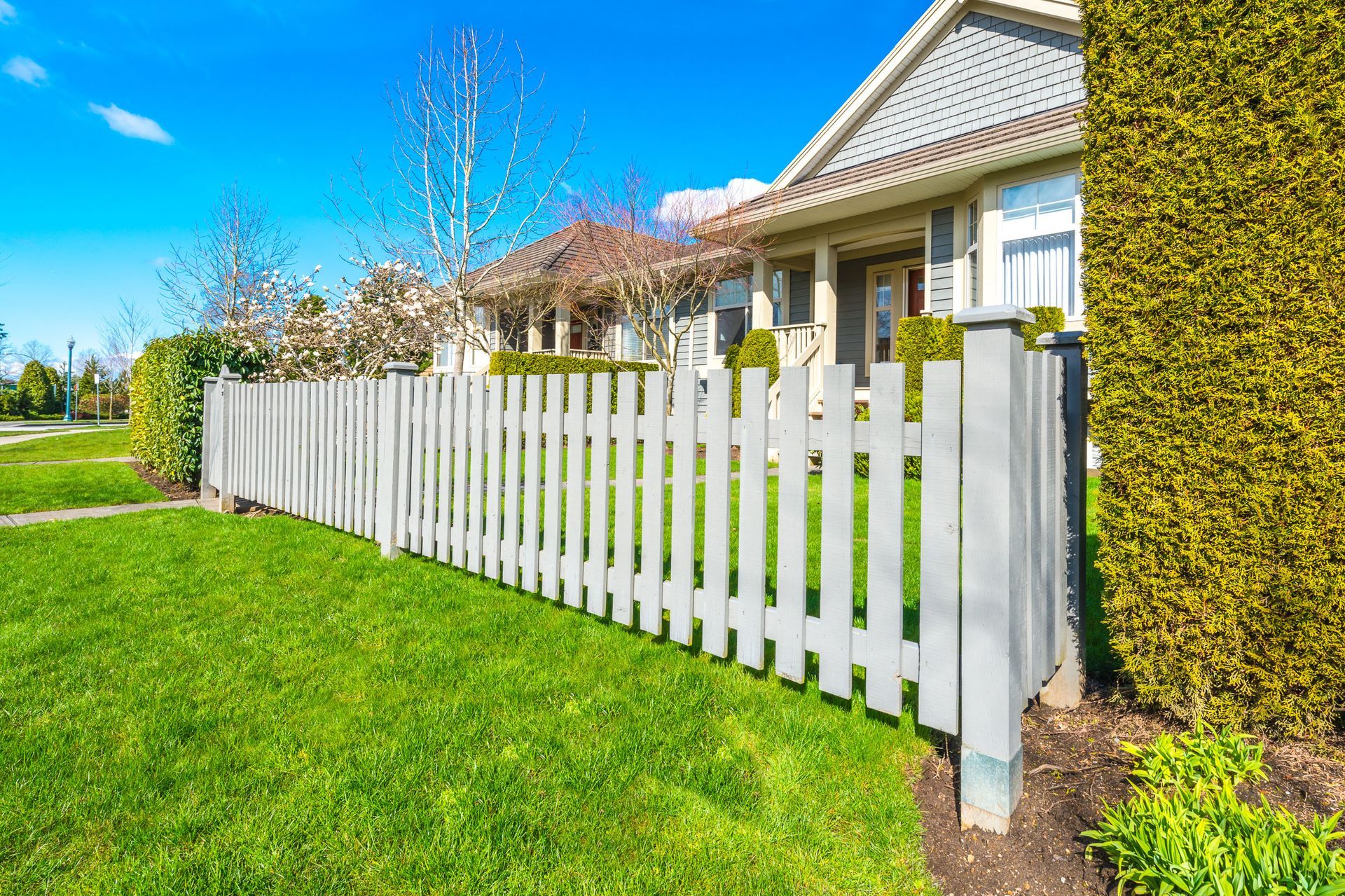
Wood fencing remains a timeless selection for residential properties due to its classic warmth, organic texture, and design flexibility. Common species utilized in fence construction include cedar, pressure-treated pine, and redwood. Cedar is highly regarded for its natural oils that resist insect infestation and moisture decay, maintaining dimensional stability across seasonal temperature shifts. Treated pine offers an economical alternative that receives chemical preservatives to resist rot, making it a budget-friendly option for extensive perimeters. Redwood provides unmatched natural durability and rich coloration, though it represents a higher initial investment. According to Gitnux, wood fences represent 28% of US residential installations due to their aesthetics, reflecting their enduring popularity among homeowners seeking natural beauty.
While timber offers exceptional design versatility, allowing for custom height adjustments, painting, staining, and decorative top profiles, it requires consistent maintenance to prevent environmental deterioration. Unprotected wood absorbs moisture readily, which can lead to warping, splitting, checking, and structural failure over time. Regular applications of water-repellent sealers or exterior stains every two to three years are mandatory to safeguard the wood against UV damage and rot. Furthermore, soil contact at the post base creates vulnerability to subterranean termites and fungal decay if drainage is inadequate. Working with knowledgeable fence contractors during initial design and layout ensures proper ground clearance and post anchoring to extend the usable life of timber structures.
Evaluating Vinyl Fencing Materials
Vinyl fencing, constructed from high-density polyvinyl chloride (PVC), has become a leading alternative to traditional organic materials due to its exceptional resistance to environmental weathering. Modern PVC formulations incorporate titanium dioxide inhibitors that prevent UV degradation, chalking, and color fading under constant solar exposure. Vinyl panels are produced in a variety of styles, including full privacy, semi-privacy, tongue-and-groove, lattice top, and traditional post-and-rail designs. Because the pigment is integrated throughout the material rather than applied as a surface coating, minor surface scratches remain virtually invisible, keeping the boundary looking fresh without repainting.
The principal advantage of vinyl fencing lies in its minimal maintenance requirement over decades of exposure. Unlike timber, vinyl will not rot, absorb moisture, warp, or attract wood-boring insects, eliminating the need for periodic staining, sanding, or chemical sealing. Cleaning typically involves nothing more than spraying with a standard garden hose or mild detergent to remove surface dust and organic growth. However, vinyl panel installations require precise physical alignment during assembly, as improper post setting can lead to panel buckling during natural thermal expansion and contraction. Engaging professional fence contractors guarantees that post footings are dug below regional frost lines, preventing ground heave from misaligning interlocking panels.
From an expenditure standpoint, vinyl carries a higher initial material and installation cost than standard wood options. However, the total cost of ownership balances out rapidly over time due to the complete absence of recurring maintenance supplies and labor expenses. While vinyl offers high durability, extreme cold temperatures can render the PVC panels brittle, making them susceptible to impact damage from heavy debris or lawn equipment. For property owners seeking a clean, contemporary appearance with maximum convenience and long-term durability, vinyl fencing serves as a highly practical solution for pool enclosures, residential borders, and perimeter boundary lines.
Installing Metal Fencing Solutions
Metal fencing represents a highly secure, durable, and visually commanding option for residential, commercial, and industrial applications. The most common metals utilized in perimeter construction are tubular aluminum, ornamental wrought iron, and heavy-gauge galvanized steel. Aluminum fencing provides lightweight, corrosion-resistant service, making it an optimal selection for coastal environments or humid climates where moisture accelerates rusting. Wrought iron delivers classic elegance, weighty structural rigidity, and custom ornamental detailing, though it demands vigilant rust prevention. Steel fencing offers superior tensile strength and impact resistance, providing robust security barriers for sensitive or high-traffic properties.
The primary benefit of metal fencing is its structural longevity and perimeter security performance. Open picket designs maintain open sightlines across landscapes while establishing physical containment for children and animals without blocking breeze or natural light. To ensure long-term performance, manufacturers apply electrostatically bonded powder coatings that shield the metal substrate from oxidation, moisture intrusion, and chemical degradation. However, if surface coatings become scratched or chipped, exposed ferrous metals will oxidize rapidly, necessitating prompt localized sanding and rust-inhibiting touch-up painting. Experienced fence contractors utilize specialized hardware and corrosion-resistant fasteners during installation to prevent galvanic corrosion where different metals interact.
Comparing Composite Fencing Systems
Composite fencing is an engineered material manufactured from a precise blend of recycled wood fibers and dense thermoplastic polymers. This hybrid composition yields a high-performance material that combines the natural aesthetic appeal and warmth of real timber with the durability and moisture resistance of synthetic plastic. Available in a wide selection of wood-grain textures, rich natural tones, and realistic color variations, composite fencing provides a uniform appearance across large installations. The manufacturing process often incorporates post-consumer recycled plastics and reclaimed wood scrap, making composite materials an attractive option for environmentally conscious property owners.
In terms of performance, composite panels resist decay, fungal growth, insect damage, and splintering far better than raw timber. The dense polymer shell encapsulates the wood fibers, preventing water absorption that typically causes swelling, warping, and cracking in traditional wood boards. Composite fencing requires no seasonal painting, staining, or liquid waterproofing, reducing annual labor and hazardous chemical usage. Cleaning is straightforward, requiring only regular washing with soap and warm water. Consultation with qualified fence contractors helps ensure that composite posts and rails are spaced according to manufacturer specifications to accommodate the physical weight of composite panels.
Analyzing Chain Link Fencing Uses
Chain link fencing is an established, utilitarian perimeter system constructed from woven galvanized steel wire formed into a characteristic diamond mesh pattern. Known for its structural simplicity, transparent open-weave layout, and exceptional cost efficiency, chain link serves as a primary choice for boundary demarcation across residential backyards, public parks, athletic fields, and commercial facilities. The steel wire core is typically protected by a hot-dip galvanization process that coats the metal in zinc to prevent rust, or coated in durable vinyl (PVC) in shades of black, green, or brown to blend harmoniously into surrounding landscaping.
The chief advantages of chain link fencing are its economical pricing, rapid installation timeline, and minimal maintenance obligations. The open mesh design allows wind to pass freely through the structure, drastically reducing wind load on support posts during severe storms and high-wind events. If localized damage occurs from fallen tree limbs or vehicle impact, individual sections of mesh can be spliced out and replaced without dismantling the entire fence line. For property owners seeking privacy, full-length vinyl privacy slats or windscreen fabric can be inserted vertically through the mesh weave to block sightlines effectively.
Selecting the ideal fencing material requires balancing visual preferences, security objectives, maintenance tolerances, and long-term budget projections. Whether prioritizing the natural charm of wood, the low-maintenance performance of vinyl, the robust security of metal, the eco-friendly durability of composite, or the economic efficiency of chain link, each material delivers distinct performance characteristics. Partnering with certified
fence contractors makes navigating material specs, local building codes, property boundaries, and terrain challenges straightforward from concept to final assembly. For more information about the services that we offer, reach out to our incredible team at The Fence Company today!
Recent Posts